Trezor Bridge®™ – Secure Connectivity for Trezor Hardware Wallets
Trezor Bridge®™ is a critical software component in the Trezor ecosystem, designed to securely connect Trezor hardware wallets with web browsers and desktop applications. It acts as a trusted communication layer that allows users to interact with their devices safely while maintaining full control over private keys. Without Trezor Bridge, browsers and operating systems would not be able to properly recognize or communicate with a Trezor hardware wallet.
As cryptocurrency adoption grows, so does the need for secure and reliable wallet connectivity. Trezor Bridge ensures that users can manage their digital assets confidently while minimizing exposure to online threats. When combined with Trezor Login, Trezor Suite, and the official setup process at trezor.io/start, Trezor Bridge becomes an essential part of a secure self-custody workflow.
What Is Trezor Bridge?
Trezor Bridge is background software that enables secure communication between a Trezor hardware wallet and your computer. It replaces older browser extensions and provides a more stable, modern, and secure method for device detection and data exchange.
Unlike traditional software wallets, Trezor Bridge does not store private keys, transaction data, or personal information. Its sole purpose is to establish a secure channel between the hardware wallet and trusted applications like Trezor Suite. All sensitive actions still require physical confirmation on the Trezor device, preserving the core principle of offline key security.
Why Trezor Bridge Is Important
Hardware wallets are designed to keep private keys isolated from internet-connected devices. However, users still need a way to interact with blockchain networks. Trezor Bridge fulfills this role by acting as a secure intermediary.
Key reasons why Trezor Bridge is essential include:
Enables browsers and desktop apps to detect Trezor devices
Protects communication with encrypted data transfer
Prevents unauthorized software from accessing the wallet
Ensures compatibility across operating systems and browsers
Without Trezor Bridge, users may experience connection errors, device detection issues, or limited functionality when accessing Trezor Suite via the web.
How Trezor Bridge Works with Trezor Suite
Trezor Suite is the official wallet management application for Trezor hardware wallets, and Trezor Bridge is a key component that enables smooth operation—especially in browser-based environments.
When a user opens Trezor Suite (web version), the application communicates with the Trezor device through Trezor Bridge. The Bridge verifies that the connection request is legitimate and then establishes a secure channel. Any sensitive operation, such as sending cryptocurrency or confirming an account, must still be approved on the physical device.
This layered security approach ensures that even if a computer is compromised, malicious software cannot bypass the confirmation process.
Trezor Login and Secure Authentication
Trezor Login is another important feature that works alongside Trezor Bridge. Instead of relying on traditional passwords, Trezor Login uses cryptographic authentication powered by the hardware wallet.
When users log in to supported services or access wallet functions, Trezor Login requires confirmation on the device itself. Trezor Bridge ensures that this authentication request is securely transmitted between the service and the hardware wallet.
This combination significantly reduces the risks associated with phishing attacks, password leaks, and credential reuse.
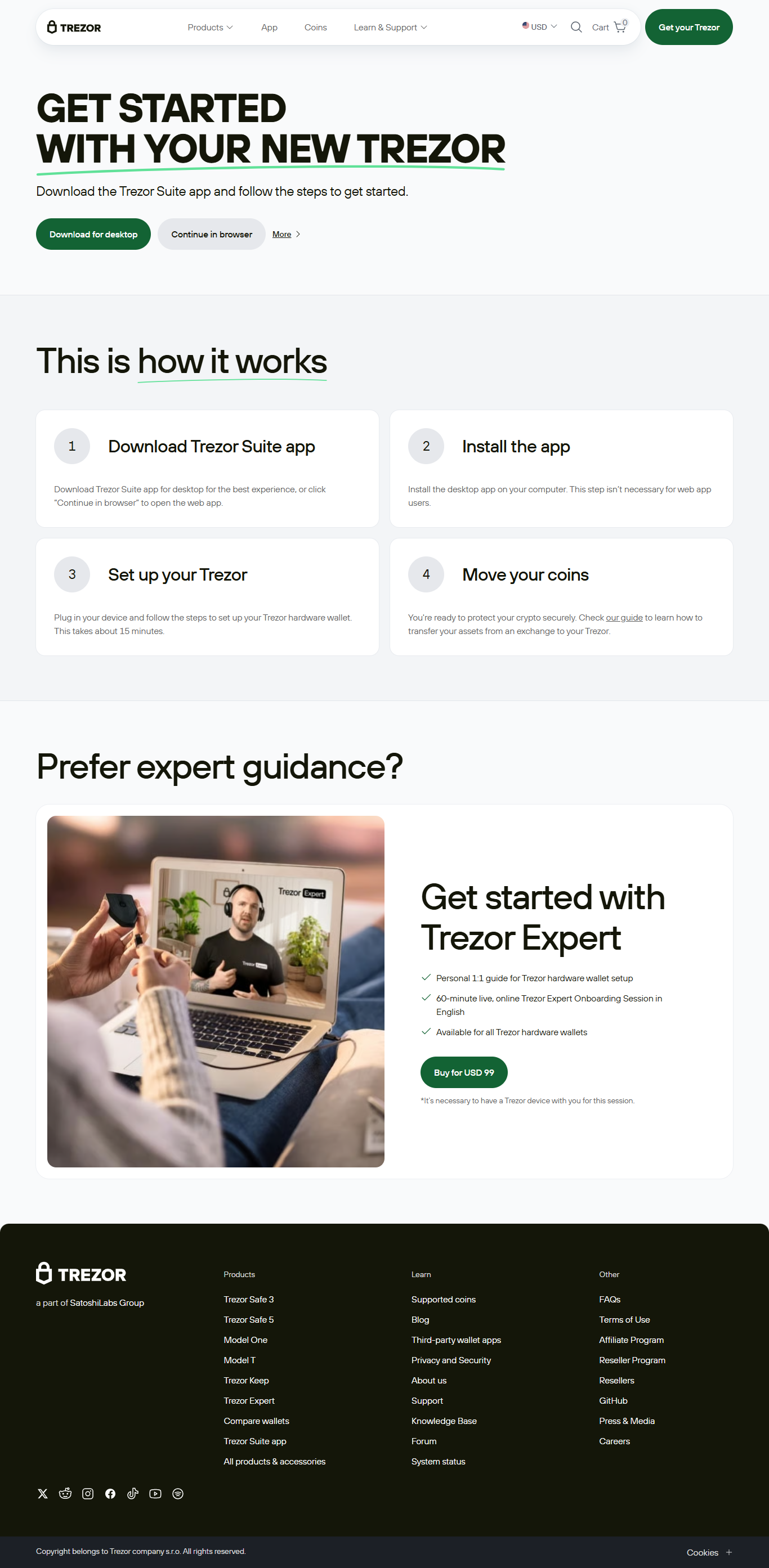
Getting Started with trezor.io/start
The safest and most reliable way to install and configure Trezor Bridge is through https://trezor.io/start. This official setup page guides users through every step of the process, ensuring that all software components are genuine and up to date.
At trezor.io/start, users can:
Download the official Trezor Suite application
Install Trezor Bridge automatically if required
Verify device authenticity
Set up a new Trezor wallet or restore an existing one
Using trezor.io/start protects users from fake websites and malicious downloads that attempt to imitate official Trezor software.
Supported Platforms and Compatibility
Trezor Bridge is compatible with major operating systems, including Windows, macOS, and Linux. It is designed to work seamlessly with modern web browsers and integrates directly with Trezor Suite.
Once installed, Trezor Bridge runs quietly in the background and requires minimal user interaction. Updates are released periodically to maintain compatibility with new browser versions and operating system updates.
Security and Privacy Design
Security is at the core of Trezor Bridge’s design. It does not collect user data, track activity, or store sensitive information. All communication between the hardware wallet and connected applications is encrypted.
Additionally, Trezor Bridge only responds to authorized requests from trusted software. This prevents rogue applications from attempting to interact with the hardware wallet without user approval.
Because Trezor Bridge is part of the official Trezor ecosystem, it undergoes continuous security review and improvement.
Common Use Cases for Trezor Bridge
Trezor Bridge is most commonly used when:
Accessing the web version of Trezor Suite
Using browser-based wallet features
Authenticating with Trezor Login
Managing assets through supported third-party services
In each case, Trezor Bridge ensures that the connection remains secure and that the user retains full control over transaction approvals.
Troubleshooting Trezor Bridge Issues
If a Trezor device is not detected, Trezor Bridge is often the first component to check. Common troubleshooting steps include:
Ensuring Trezor Bridge is installed and running
Restarting the browser or computer
Updating Trezor Suite to the latest version
Reinstalling Trezor Bridge from trezor.io/start
These steps resolve most connectivity issues and restore proper device communication.
Why Official Sources Matter
Because of the rise in crypto-related scams, it is essential to use only official software. Fake versions of Trezor Bridge can attempt to steal sensitive information or redirect users to phishing sites.
Always download and update Trezor Bridge through trezor.io/start or directly via official prompts in Trezor Suite. Avoid third-party download sites or sponsored ads claiming to offer wallet software.
Final Thoughts
Trezor Bridge®™ is a foundational element of the Trezor security ecosystem. While it often operates quietly in the background, its role is critical in ensuring secure communication between hardware wallets and applications.
When combined with Trezor Suite, Trezor Login, and the official onboarding process at trezor.io/start, Trezor Bridge helps create a secure, private, and user-controlled crypto management environment. For anyone serious about protecting digital assets, understanding and properly using Trezor Bridge is essential.
Frequently Asked Questions (FAQ)
What is Trezor Bridge used for?
Trezor Bridge enables secure communication between a Trezor hardware wallet and web browsers or desktop applications.
Is Trezor Bridge required for Trezor Suite?
Trezor Bridge is often required, especially when using the web version of Trezor Suite, to ensure proper device detection.
Does Trezor Bridge store private keys?
No, Trezor Bridge never stores private keys or sensitive data. All keys remain on the hardware wallet.
Where should I download Trezor Bridge?
Always download Trezor Bridge from the official setup page at https://trezor.io/start.
Is Trezor Bridge safe to run in the background?
Yes, Trezor Bridge is designed to run securely in the background with minimal system impact.